May 17, 2026
Gadgets Smart Home Cheap What Worth Buying
Shopping guide: Gadgets Smart Home Cheap What Worth Buying.
הבעיה עם גאדג'טים חכמים לבית בזול היא לא המחסור במוצרים - אלא עודף האפשרויות. בתוך כמה דקות אפשר למצוא עשרות מנורות חכמות, שקעים נשלטים, מצלמות, חיישנים ומטהרי אוויר, אבל לא כל דיל באמת שווה את הכסף. כשמחפשים נכון, אפשר לשדרג את הבית במחיר נמוך יחסית ולקבל נוחות אמיתית, שליטה טובה יותר ותחושה שהקנייה הייתה משתלמת ולא סתם עוד גימיק.
איך לזהות גאדג'טים חכמים לבית בזול שבאמת נותנים ערך
הכלל הראשון פשוט: לא קונים לפי הכותרת של המוצר, אלא לפי השימוש בפועל. אם גאדג'ט אמור לחסוך זמן, לשפר שליטה על מכשירים בבית או לתת יותר נוחות ביומיום, יש לו ערך. אם הוא רק נשמע מגניב אבל לא ברור מה תעשו איתו אחרי יומיים, כנראה שזה מוצר פחות משתלם.
מוצרים חכמים זולים נמדדים בעיקר בשלושה דברים: אמינות, פשטות ותמורה למחיר. לא חייבים את הדגם הכי מתקדם כדי ליהנות מבית חכם. בהרבה מקרים דווקא המוצרים הבסיסיים הם אלה שמספקים את התוצאה הכי טובה - שקע חכם שמאפשר לכבות מכשירים מרחוק, נורה חכמה עם טיימר, או חיישן תנועה שמדליק אור אוטומטית במסדרון.
כדאי גם לבדוק אם המוצר פותר בעיה אמיתית. למשל, אם אתם שוכחים לכבות דוד, מאוורר או תאורה, שקע חכם זול יכול להחזיר את ההשקעה מהר מאוד. אם אתם רוצים יותר שקט כשאתם מחוץ לבית, מצלמה פשוטה עם התראות עשויה להספיק בלי להיכנס להוצאה גבוהה על מערכת מורכבת.
אילו סוגי מוצרים נותנים את התמורה הכי טובה
שקעים חכמים
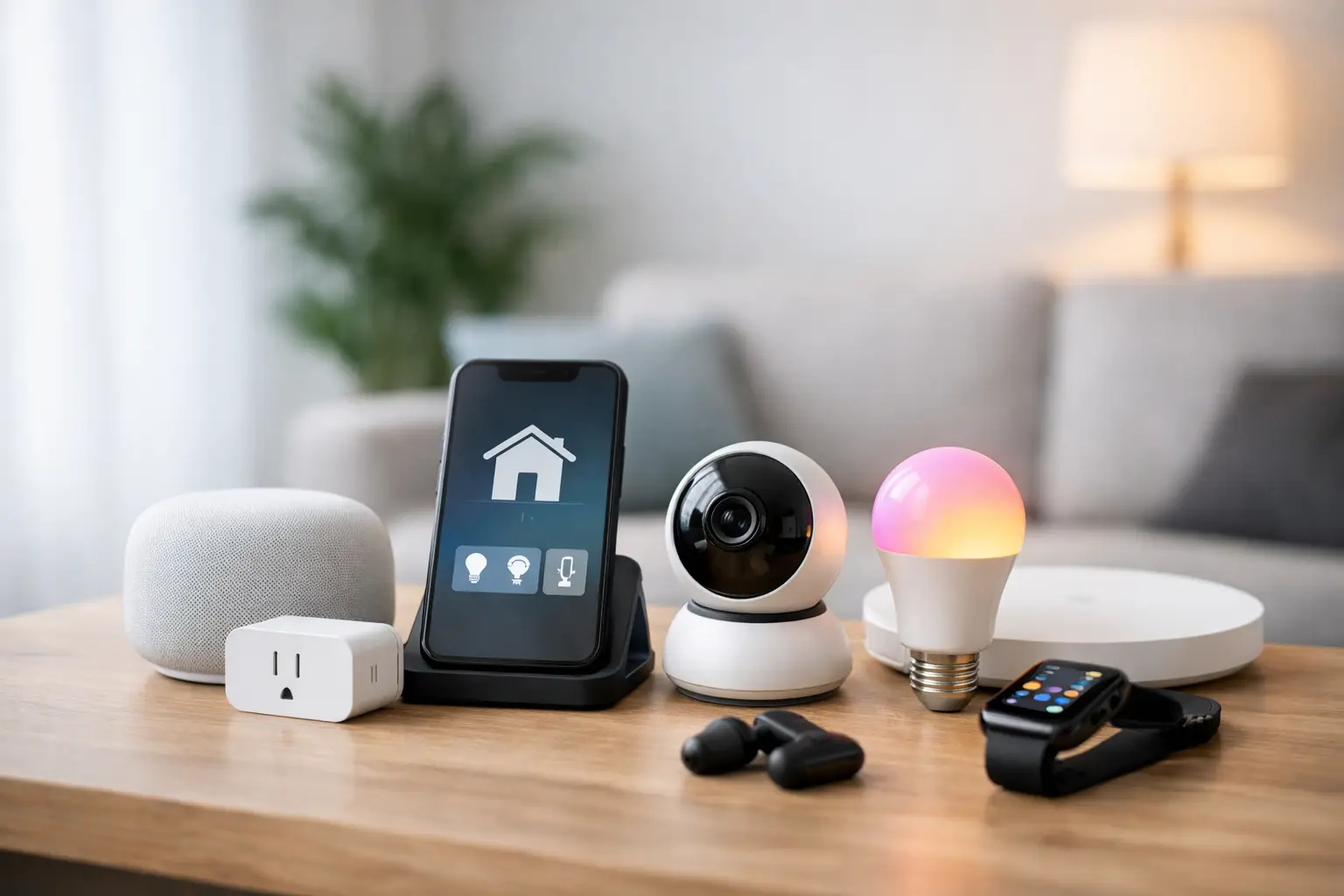
זה כנראה אחד המוצרים הכי פרקטיים למי שרוצה להתחיל בזול. שקע חכם לא דורש החלפת תשתית, בדרך כלל ההתקנה מהירה, והערך ברור מיד. אפשר להפעיל ולכבות מכשירים דרך אפליקציה, לקבוע לוחות זמנים ולפעמים גם לעקוב אחרי צריכת חשמל.
היתרון הגדול הוא שימושיות יומיומית. קומקום, מכונת קפה, גוף חימום, תאורת לילה או מטהר אוויר - כל אלה הופכים נוחים יותר לשליטה. מצד שני, חשוב לבדוק התאמה להספק החשמלי של המכשיר שאתם מחברים, כי לא כל שקע זול מתאים לכל עומס.
נורות חכמות
נורות חכמות הן שדרוג קטן שמרגיש גדול. אפשר לשלוט על תאורה מהטלפון, לעמעם, לשנות צבעים בחלק מהדגמים ולקבוע שגרות. למי שרוצה בית חכם בתקציב נמוך, זה מוצר שקל להבין את התועלת שלו כבר מהיום הראשון.
אבל יש כאן פשרה שכדאי להכיר. בדגמים זולים, איכות האור, מהירות התגובה או יציבות החיבור לא תמיד יהיו מושלמות. אם מחפשים תאורה רגילה לסלון או לחדר שינה, זה בדרך כלל מספיק. אם רוצים תאורה מדויקת מאוד לעבודה או אווירה ברמה גבוהה, עדיף לבדוק טוב יותר מפרט וביקורות.
מצלמות אבטחה ביתיות
הקטגוריה הזו מושכת הרבה קונים, ובצדק. מצלמה חכמה זולה יכולה לתת תמונת מצב מהבית, התראות תנועה ואפילו שמע דו-כיווני. עבור דירה, חדר ילדים, כניסה לבית או מעקב אחרי חיית מחמד, זה שדרוג נגיש במחיר נמוך יחסית.
כאן חשוב במיוחד להסתכל מעבר למחיר. רזולוציה, איכות ראיית לילה, סוג האחסון והאפליקציה עצמה משפיעים הרבה יותר מההפרש של כמה דולרים. מצלמה זולה מאוד עם אפליקציה לא יציבה עלולה להיות קנייה פחות טובה ממצלמה מעט יקרה יותר עם דירוגים טובים וכמות הזמנות גבוהה.
חיישנים ומוצרי אוטומציה בסיסיים
חיישני דלת, חיישני תנועה, מדחומי חדר ושלטים חכמים הם מוצרים קטנים עם פוטנציאל גדול. הם מתאימים במיוחד למי שכבר יש לו כמה מכשירים חכמים ורוצה לחבר ביניהם. לדוגמה, חיישן תנועה שמדליק אור בלילה או חיישן דלת ששולח התראה כשמישהו נכנס.
החיסרון הוא שלא תמיד מקבלים ערך מיידי אם אין תרחיש שימוש ברור. לכן עדיף לקנות אותם אחרי שיש בסיס פשוט בבית החכם, ולא בתור המוצר הראשון.
מה לבדוק לפני שקונים דיל זול
מחיר נמוך לבד לא אומר עסקה טובה. כדי לקנות נכון, צריך להסתכל על כמה סימנים שמקצרים את זמן הבדיקה ועוזרים להימנע ממוצרים חלשים.
קודם כל, בדקו דירוג. לא רק הציון עצמו, אלא גם כמה אנשים דירגו. ציון גבוה עם מעט ביקורות פחות מרשים מציון מעט נמוך יותר עם נפח הזמנות גדול. אחר כך הסתכלו על כמות ההזמנות, כי היא נותנת תמונה טובה לגבי ביקוש ואמינות יחסית.
שווה לעבור גם על התמונות והווריאציות. לפעמים המחיר שמוצג הוא לגרסה בסיסית מאוד, בלי תקן מתאים, בלי אביזר חשוב או בלי פונקציה שחשבתם שמקבלים. זו נקודה קריטית במיוחד במצלמות, נורות ושקעים חכמים.
עוד בדיקה חשובה היא התאימות. האם המוצר עובד ב-Wi-Fi או דורש Hub נפרד? האם הוא מתאים לשקע או למתח שאתם צריכים? האם האפליקציה שלו מוכרת ויציבה, או שמדובר במערכת פחות ברורה? מוצר זול שלא משתלב בקלות בבית הופך מהר לקנייה מיותרת.
גאדג'טים חכמים לבית בזול - מתי לקנות ומתי לדלג
יש עסקאות ששוות קנייה מיידית, ויש כאלה שעדיף להשאיר בעגלה. אם אתם רואים מוצר עם שימוש ברור, הנחה טובה, דירוג יציב, הרבה הזמנות ומפרט שמתאים בדיוק למה שאתם צריכים - זה בדרך כלל סימן חיובי. במיוחד בקטגוריות פשוטות כמו שקעים, נורות או חיישנים בסיסיים.
לעומת זאת, כדאי לדלג כשיש חוסר בהירות. אם לא ברור איזו גרסה מקבלים, אם התמונות נראות גנריות מדי, אם התיאור עמוס בהבטחות בלי פרטים טכניים, או אם המחיר נמוך בצורה קיצונית ביחס לשוק - יש סיכוי שמדובר בדיל פחות מוצלח.
גם קנייה מרובת פריטים לא תמיד משתלמת. לפעמים חבילה של ארבע נורות נראית זולה יותר, אבל אם אתם בכלל צריכים שתיים ורוצים קודם לבדוק איכות, עדיף להתחיל קטן. בבית חכם זול, הטעות הנפוצה היא לקנות מהר מדי הרבה מוצרים במקום לבדוק מה באמת נכנס לשימוש קבוע.
איך לבנות בית חכם בתקציב נמוך בלי להתפזר
הדרך החכמה ביותר היא להתחיל ממוצר אחד או שניים עם השפעה מיידית. שקע חכם לחדר השינה או לסלון, ונורה חכמה באזור שימוש קבוע, יתנו תחושה ברורה אם כל הקטגוריה מתאימה לכם. אחר כך אפשר להוסיף מצלמה, חיישנים או אביזרי שליטה לפי צורך.
עדיף לחשוב במונחים של הרגלים, לא של מוצרים. אם בבוקר אתם מדליקים את אותה תאורה, אם בערב אתם מפעילים מאוורר או אם אתם רוצים לבדוק מה קורה בבית כשאתם בחוץ, משם מתחילים. הקנייה הופכת מדויקת יותר, וגם יותר משתלמת.
גישה כזו גם עוזרת לשמור על תאימות. במקום לאסוף פריטים אקראיים, בונים מערכת קטנה שעובדת יחד. זה חשוב במיוחד כשקונים ממבחר גדול של דילים, כי קל מאוד להתפתות למחיר ולהתעלם מחוויית השימוש אחרי הקנייה.
איפה הרבה קונים טועים בחיפוש אחר מוצרים חכמים זולים
הטעות הראשונה היא לרדוף אחרי כמה שיותר פונקציות. בפועל, רוב האנשים משתמשים בחלק קטן מאוד מהאפשרויות. אם מוצר פשוט עושה את הפעולה המרכזית היטב, זו לרוב קנייה טובה יותר ממוצר עמוס פיצ'רים שלא באמת תפעילו.
הטעות השנייה היא להתעלם מעלות עקיפה של זמן ותסכול. אם ההתקנה מסובכת, האפליקציה חלשה או שהחיבור נופל לעיתים קרובות, החיסכון הראשוני נשחק מהר. לכן שווה לתת משקל גם לנוחות השימוש ולא רק למחיר או לאחוז ההנחה.
הטעות השלישית היא לקנות בלי מסנן ברור. כשמסתכלים על קטלוג גדול, כדאי לסנן לפי קטגוריה, דירוג, היקף הזמנות ורמת הנחה. זה חוסך זמן ועוזר להתמקד במוצרים שיש להם גם ערך, גם ביקוש וגם תג מחיר נגיש. בדיוק כאן פלטפורמה מסודרת כמו Smart Home Finds Deals יכולה לקצר משמעותית את הדרך בין גילוי לדיל טוב באמת.
מה נחשב דיל טוב בקטגוריה הזו
דיל טוב הוא לא בהכרח המחיר הכי נמוך על המסך. דיל טוב הוא מוצר שקל להבין, קל לבחור וקל להשתמש בו. אם יש לו ביקורות סבירות, תמונות ברורות, מפרט הגיוני והנחה שנראית אמיתית ביחס לקטגוריה - יש לו סיכוי טוב להצדיק את הקנייה.
במוצרים לבית חכם, השילוב הטוב ביותר הוא מחיר נמוך יחסית עם תועלת ברורה מהיום הראשון. זו הסיבה ששקעים חכמים, נורות, חיישנים פשוטים ומצלמות בסיסיות ממשיכים להיות בין המוצרים הכי משתלמים לקונים שמחפשים שדרוג קטן לבית בלי להתחייב להוצאה גדולה.
אם תבחרו לפי צורך אמיתי, תבדקו את הסימנים הנכונים ולא תתפתו רק לכותרת נוצצת, הרבה יותר קל למצוא גאדג'ט קטן שיעשה הבדל גדול בבית - ובמחיר שמרגיש נכון גם בקופה וגם אחרי שהמוצר כבר בשימוש.